
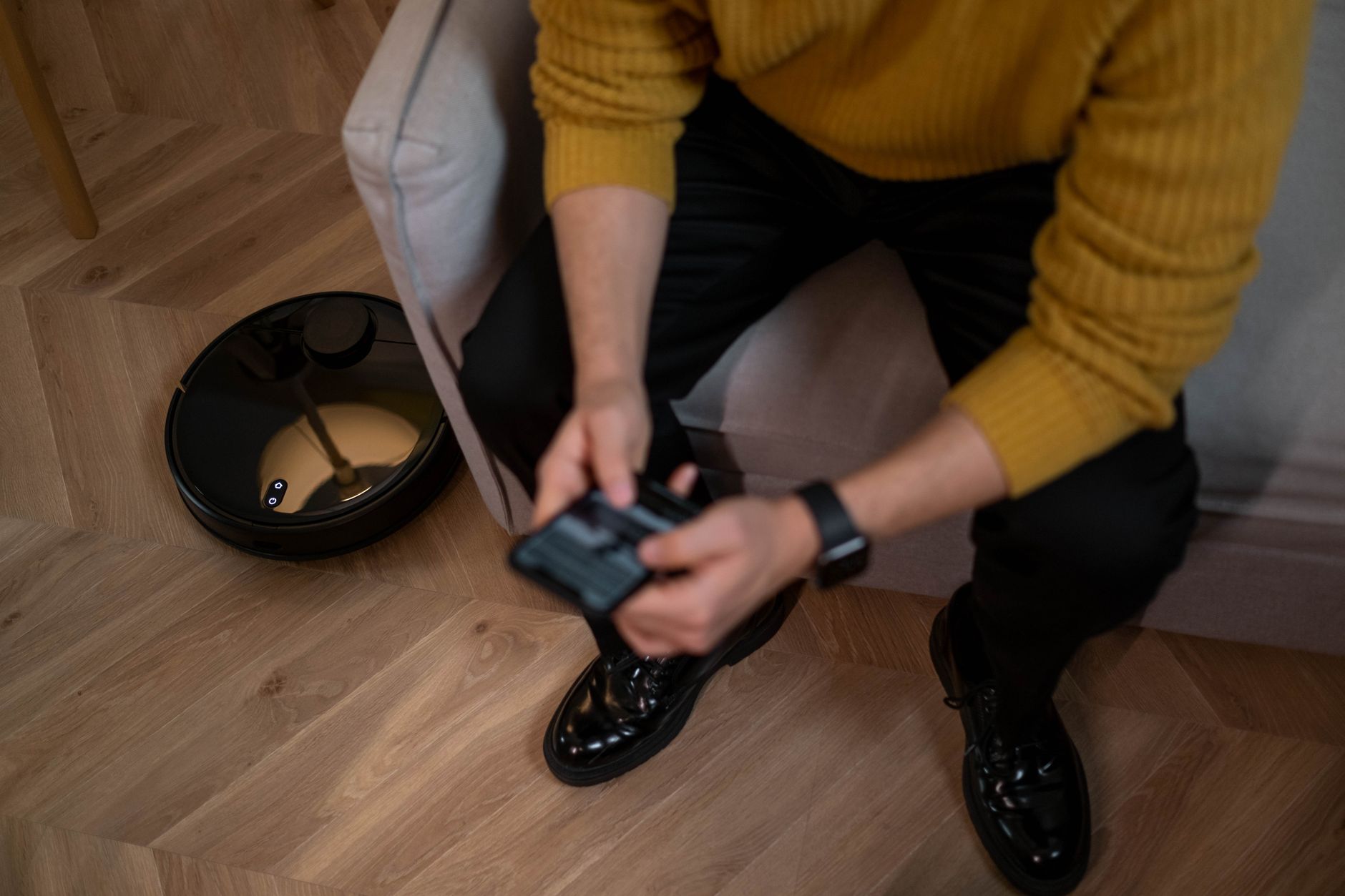

Yes—for many homes, a robot vacuum is worth it because it provides frequent, low-effort floor upkeep between manual cleaning sessions. It is not a total replacement for a full-size vacuum or deep cleaning, and its value depends on your floor layout, flooring type, household mess, and expectations.
Key takeaways
- Robot vacuums are best treated as maintenance cleaners, not deep-cleaning replacements.
- They can reduce visible dust, crumbs, and pet hair in everyday life, especially on hard floors and low-pile rugs.
- Value improves if you have an open layout, mostly hard flooring, and a predictable daily schedule.
- Value declines in cluttered homes, spaces with multiple levels or thick carpets, and if you expect perfection around edges.
- Features like mapping, app scheduling, self-empty bases, and mopping change usefulness but also price.
In this guide
- How robot vacuums earn their keep
- Essential concepts: what separates useful from frustrating
- Who benefits most
- When they may not be worth it
- Decision factors
- Practical examples
- Limitations and realistic expectations
- Frequently asked questions
How robot vacuums earn their keep
A robot vacuum’s main job is maintenance, not restoration. It works best when you let it run often enough to keep daily debris from building up: crumbs under a table, dust along hard floors, hair in the bathroom, litter scattered near a pet area. By doing that low-effort pass frequently, it reduces how often you need to pull out a full-size vacuum.
That value is highest in homes where floors are mostly hard surfaces or low-pile rugs. In those spaces, many robot vacuums can capture everyday debris from open areas and along furniture edges. High-pile rugs, deep carpet, and heavily soiled areas are more demanding and often require stronger suction, larger brush rolls, or a manual cleaner.
What they do well
- Maintain a baseline of clean floors with scheduled runs.
- Reach under low furniture such as beds and sofas more easily than many upright vacuums.
- Handle light daily debris such as dust, hair, crumbs, and tracked-in litter.
- Reduce the visible accumulation that makes floors feel unkempt between deeper cleanings.
What they typically leave behind
- Tight corners and edge strips that need occasional manual detail work.
- Deeply embedded dirt in rugs or carpet, especially in high-traffic areas.
- Large spills, wet messes, or clumps that can clog the unit unless it has specific debris handling.
- Areas blocked by cords, clothing, pet toys, or low thresholds.
Essential concepts: what separates useful from frustrating
Before deciding if a robot vacuum is worth it, it helps to understand the features that affect real-world use:
- Navigation and mapping: Models with structured mapping tend to cover rooms more predictably than random-pattern cleaners. They can often be sent to specific rooms or zones.
- App scheduling and controls: The ability to set schedules, no-go zones, and room cleaning makes the robot fit your routine instead of creating a new chore.
- Bin and brush maintenance: Every robot vacuum needs attention. Hair wrap, dust bin emptying, filter cleaning, and sensor wiping affect performance over time.
- Self-empty bases: A docking station that empties the bin can reduce hands-on maintenance, but it adds size, noise, and cost.
- Mopping function: On hard floors, a mopping pad or water-controlled mopping system can add daily freshening, but it is rarely a replacement for a real mop or stain treatment.
Who benefits most
- Busy households: If you want clean floors but lack time for frequent manual vacuuming, daily automatic runs can keep the home presentable.
- Mostly hard-floor homes: Hard surfaces show dust and hair quickly; robot vacuums tend to perform best on this flooring.
- Pet owners with light-to-moderate shedding: Frequent runs help manage visible fur on hard floors and low-pile rugs.
- Open layouts: Fewer door thresholds and tight turns make a cleaning route more efficient.
- People who value consistency over perfection: A robot vacuum maintains a baseline, but it will not produce a deep-clean result every run.
When they may not be worth it
- Mostly thick carpet: Many robot vacuums lack the airflow and agitation of a full-size upright for deep rugs or plush carpet.
- Cluttered floors: Frequent pickup is required. Cords, socks, and small objects can stop a run or damage the robot.
- Multiple levels: Unless you carry the robot to each floor or buy multiple units, coverage is limited.
- Very large or complex layouts: Some homes require long run times, frequent recharging, or more advanced mapping to finish the job.
- High expectations for edges and corners: A robot vacuum is not likely to match the edge performance of a manual crevice tool.
Decision factors
Use this table to weigh whether a robot vacuum fits your home:
| Factor | Makes it more worth it | Makes it less worth it |
|---|---|---|
| Flooring | Hard floors, tile, laminate, low-pile rugs | Thick carpet, plush rugs, uneven transitions |
| Layout | Open rooms, few obstacles, minimal clutter | Narrow spaces, many thresholds, cords and clutter |
| Household | Busy schedules, light-to-moderate pet hair | Heavy shedding, large spills, lots of foot traffic |
| Maintenance tolerance | Willing to empty bins and clear obstacles regularly | Want a set-and-forget device with little upkeep |
| Cleaning expectations | Daily maintenance between manual cleanings | Replacement for deep cleaning or full-size vacuum |
Practical examples: where the value is clearest
Example 1: Apartment dweller with hard floors and a cat
In a mostly open apartment with vinyl plank floors and one low-pile rug, a robot vacuum scheduled for weekdays can keep dust and cat hair under control. The user still spot-vacuums around the litter box and wipes edges every week, but the daily visible mess is reduced enough to justify the purchase.
Example 2: Busy household with kids and mixed floors
A family with a kitchen, dining area, and living room on hard surfaces may benefit from a robot vacuum running after dinner. It picks up crumbs and light debris before they spread. The family still uses a manual vacuum for stairs and carpeted bedrooms, but the robot removes a recurring chore from the main living area.
Example 3: Older multi-level home with thick carpet
This is often a weaker fit. Thick carpet requires more suction and agitation, and stairs require manual work. Unless the owner buys one unit per level and selects a model suited to carpet, the robot may become an occasional convenience rather than a daily workhorse.
Limitations and realistic expectations
Robot vacuums are not autonomous perfection. They can get stuck, miss hidden areas, fill their bins quickly, and require more maintenance than the marketing often suggests. Battery runtime, mapping accuracy, brush tangling, and noise vary by model and affect how well the robot fits your home.
If you expect a robot vacuum to replace all manual vacuuming, you may be disappointed. If you expect it to reduce the frequency of manual vacuuming and keep everyday debris from accumulating, it is more likely to feel worth it.
Frequently asked questions
Are robot vacuums good for pet hair?
They can help manage pet hair on hard floors and low-pile rugs if you run them frequently and maintain the brush roll. Heavy shedders and thick carpet may still require a full-size vacuum for deeper cleaning.
Do robot vacuums work on carpet?
Most robot vacuums work on low-pile carpet and rugs better than on thick or plush carpet. Thick carpet can slow the robot, fill the bin faster, and reduce cleaning performance.
Do robot vacuums mop?
Some models include a mopping function, but it is usually best for light daily freshening on hard floors. Sticky spills, dried stains, and deep grime generally still need a manual mop or targeted cleaning.
How often should I run a robot vacuum?
Many households run them daily or every other day in high-use areas. The right schedule depends on foot traffic, pets, flooring, and how quickly debris accumulates.
Do robot vacuums replace a regular vacuum?
No. They are most useful as a maintenance tool between manual deep-clean sessions, especially because robots cannot reach stairs, tight edges, above-floor areas, and thick carpet as effectively as a regular vacuum.